

Isn’t $100 just $100?
No. In 1981, inflation in the United States hit a terrifying 14.8%. This meant that your weekly $100 grocery bill from last year now costs $114.8 today. These radical price increases meant consumers all over the country were in a state of panic (understandably).
To stop the bleeding, Federal Reserve Chairman Paul Volcker at the time did something completely unprecedented. He cranked the country’s core interest rate up to a staggering 20%, making loans incredibly expensive for everyday consumers (for context, a typical mortgage rate today hovers around 4% to 7%). Volcker’s extreme move threw the US economy into a severe recession, bankrupting farmers and destroying businesses, but it successfully halted the severe double-digit inflation and reset the economy for the next four decades!
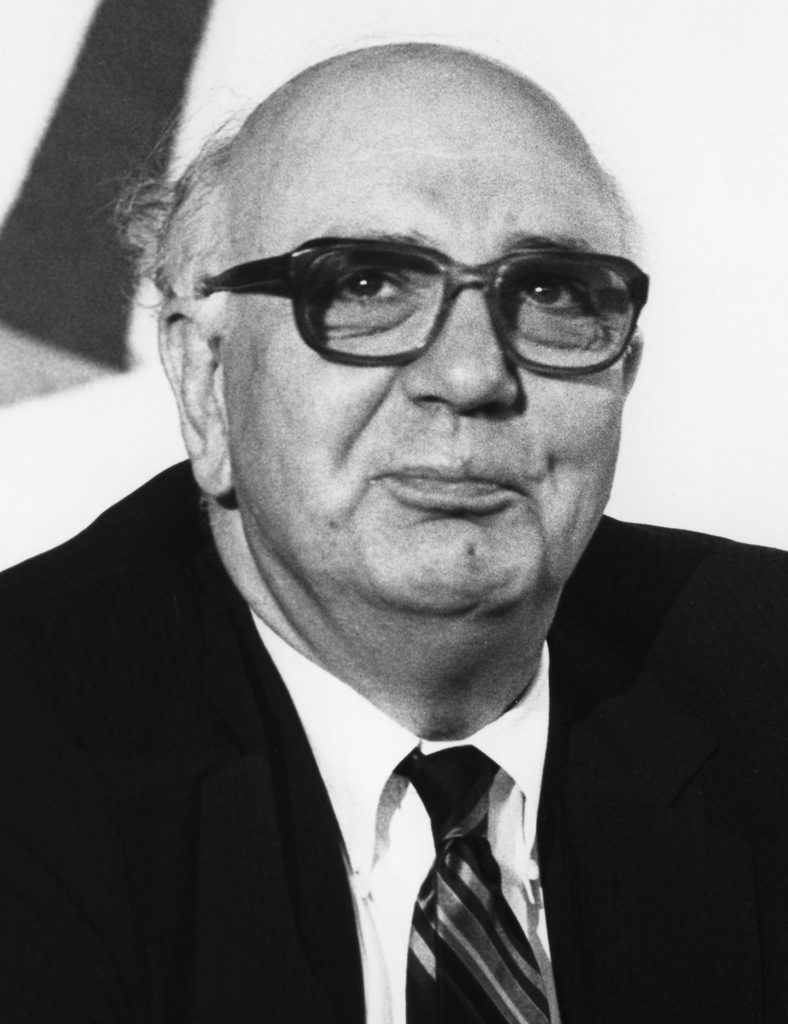
Today, you can’t open a news app without seeing panicked headlines about inflation and central banks tweaking interest rates by mere fractions of a percent. When I was less wise, I did not understand the media importance of a 0.25 point interest rate bump.
But to understand why everyone from Wall Street bankers to local politicians obsesses over these two concepts, we have to understand a fundamental economic truth. This truth is that inflation is a natural phenomenon as a result of economic activity and shocks, and that interest rates are simply the price of money.
The misunderstood monster of inflation
Most people view inflation as a stealthy tax that slowly robs them of their purchasing power. Indeed, hyperinflation is undeniably destructive, but a mild, predictable level of inflation (usually targeted around 2% by central banks) is actually an indication of a healthy and growing economy.
Why is that? When an economy is doing well, unemployment is low, and people have more money to spend. This higher economic demand allows businesses to slightly raise (or inflate) their prices. To afford these higher prices, workers that are also consumers demand higher wages, which in turn allows them to keep spending and growing the economy.
More importantly, mild inflation dictates our behaviour. If you know the new expensive Sony headphones you’ve been eyeing are going to cost 2% to 5% more next year, you are incentivised to go buy them today. This constant forward momentum keeps businesses producing and hiring to keep up with sustained demand.
To prove that inflation isn’t inherently evil, we need to look at its opposite, evil twin sibling: deflation. If prices of goods are always decreasing, our human psychology completely flips. Why would you buy a car, a house, or even a new laptop today if you know it will be cheaper in six months? Consumers freeze their spending, and interest is no longer paid on your savings, but taken away. Because nobody is buying, businesses slash prices further, lay off workers, and halt investments. A good example is Japan famously experiencing this “deflationary spiral” in the 1990s, leading to what economists call the “Lost Decades”. This period was characterised by a sticky and stagnant growth that is incredibly difficult to escape. Therefore, a little bit of inflation prevents the engine from stalling.
WTF are interest rates and how are they related to inflation?
On the one hand, an interest rate is simply just the cost of borrowing money. When you take out a loan to buy a house, the interest rate is the fee you pay the bank every year for the service and privilege of using their money today. On the other hand, when you put money in a savings account, the bank pays you an interest rate because they are borrowing your money to lend to others or to fund their activities.
In a modern economy, Central Banks (like the European Central Bank or the US Federal Reserve) have the power to adjust their respective interest rates. This is the rate at which ordinary banks (like Société Générale or HSBC) borrow money from the government. When the Central Bank changes this base rate, it also affects your mortgage, car loan, and corporate credit line in the country.
Why are interest rates always talked about? Central banks use interest rates as their primary tool to control inflation.
When the economy is running too hot and inflation climbs above the healthy 2% target when prices are rising faster than wages, the central bank steps in and raises interest rates to put out the fire. Suddenly, borrowing money becomes more expensive. Businesses decide to delay building new factories because the loan is too costly compared to yesterday. Consumers decide against financing that new car because the monthly interest payment has now increased. Then, borrowing and spending slow down and the demand for goods drops systematically. When demand drops, prices stop rising as fast, and inflation cools off.
Conversely, if the economy is crashing and heading toward a recession, the central bank can also slash interest rates to zero (as seen during the Covid crisis). Suddenly, money is practically free to borrow. Businesses take out cheap loans to expand, consumers get incredibly cheap mortgages, and spending explodes, restarting the economic engine.
The bigger picture
Like any puzzle in the messy lab known as the economy, it is an endlessly delicate empirical experiment playing out as the future unfolds. If a central bank raises rates too high they risk choking the economy into a recession, just like the Volcker shock in 1981. However, if they keep interest rates too low for too long, money becomes too cheap compared to yesterday and demand outpaces supply. In turn, the prices of our everyday goods increase faster than our wages, and society is worse off.
Policymakers are forever adjusting their economic water gun (interest rates) to tame the eternal and uncontrollable fire (inflation).
P.S. If you want to simulate and play with the economic water gun of our central bankings units yourself, I recommend playing with the Federal Reserve Simulator to “Chair the Fed”. Be warned: keeping inflation from spiralling without accidentally crashing the economy is much harder than it looks!


Leave a Reply